
In Part 1, I talked about the three lengths that change how a suit looks more than anything else: the sleeves, the trouser hem and the jacket length. For most standard builds, getting those three right is enough to make a suit look noticeably sharper.
But working in the shop, I meet many customers who hit a much more basic wall before alterations even come into it.
Their bodies simply don’t fit anywhere on an off-the-rack size chart.
In 13 years of making suits in Sasa, Nagasaki, one customer surprised me more than any other, and we ended up laughing together more than with anyone else. This is his story.
The customer who walked through the door was off the charts
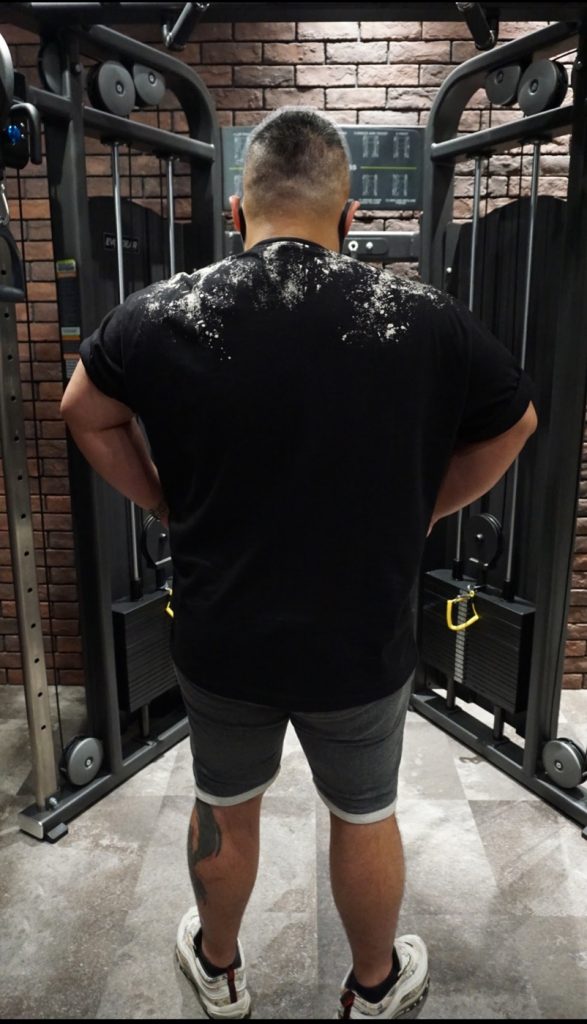
Some time ago, a former competitive bodybuilder came to the shop.
The moment he stepped inside, I couldn’t believe my eyes. I’ve been in the apparel business for more than 20 years, and I had never seen a build like his.
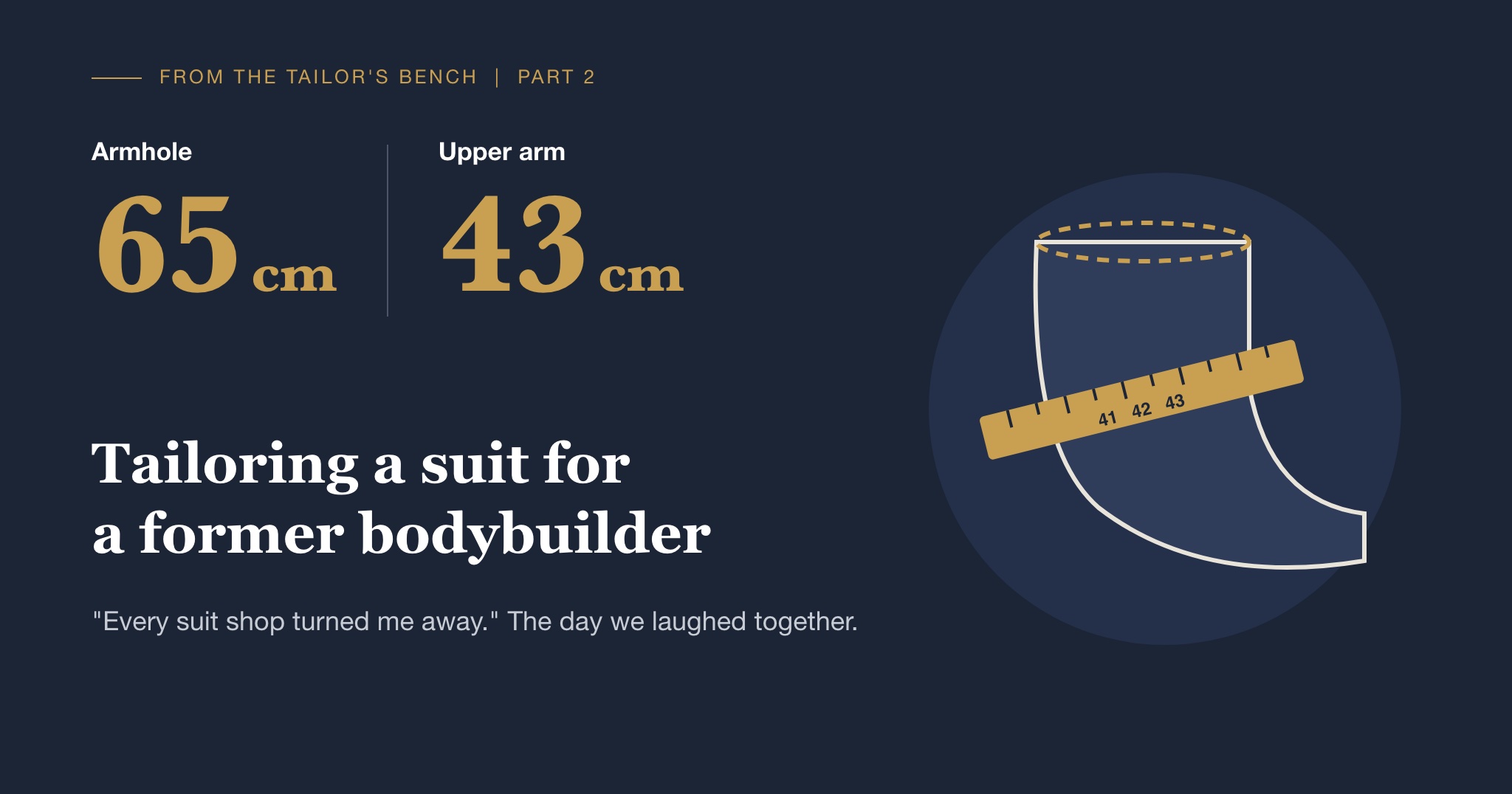
I put the tape around the thickest part of his upper arm: 43 cm (about 17 inches). Then around the top of the arm where it meets the shoulder: 65 cm (about 25.5 inches).
For a second I honestly wondered whether someone had attached a pair of thighs to his shoulders. His shoulder bones themselves were a normal width, but so much muscle had been built on top of them that the volume from the shoulders down the arms was hard to believe.
With a slightly awkward smile, he told me:
“I’ve tried the big suit chains and other made-to-measure shops. Every single one turned me away.”
Three techniques I used as a tailor
A build like this won’t fit off-the-rack sizes, and it won’t fit the standard patterns used for most made-to-measure (pattern-order) suits either. If you simply force one part of a pattern wider, the balance of the whole garment falls apart.
To turn this one-of-a-kind body into a suit that looks good and moves without strain, I made three decisions.
- Cut the armhole deep, so very large arms pass through without strain
- Plan the silhouette for the weight loss coming in three months, keeping it in balance with the shoulders and arms
- Check the back at the basted fitting, and add room through the seat
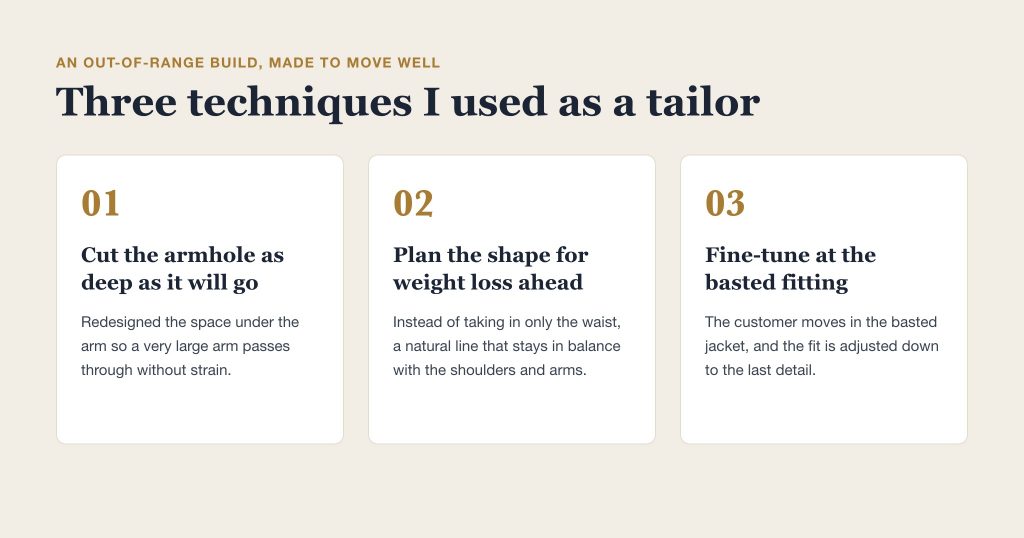
1. I cut the armhole as deep as it would go
Making the sleeves wider is not enough on its own. If the armhole, the opening where the sleeve joins the body, stays at a standard depth, it presses into the top of the arm and you can’t even reach forward.
By redesigning the armhole to be as deep as possible, I created a three-dimensional space that his arms could pass through without strain.
2. I planned the silhouette for the weight loss ahead
He told me, “I’m cutting for a competition, so my waist will be smaller in three months.”
But if I had taken in only the waist as far as he asked, the gap between his huge shoulders and arms and a very narrow waist would have been too great, and the whole suit would have looked off balance.
I told him honestly: “I can take it in that far, but the overall balance will look wrong.” Instead, I suggested a natural, shaped line that stays in harmony with the rest of his body.
3. I fine-tuned at the basted fitting and showed him his own back
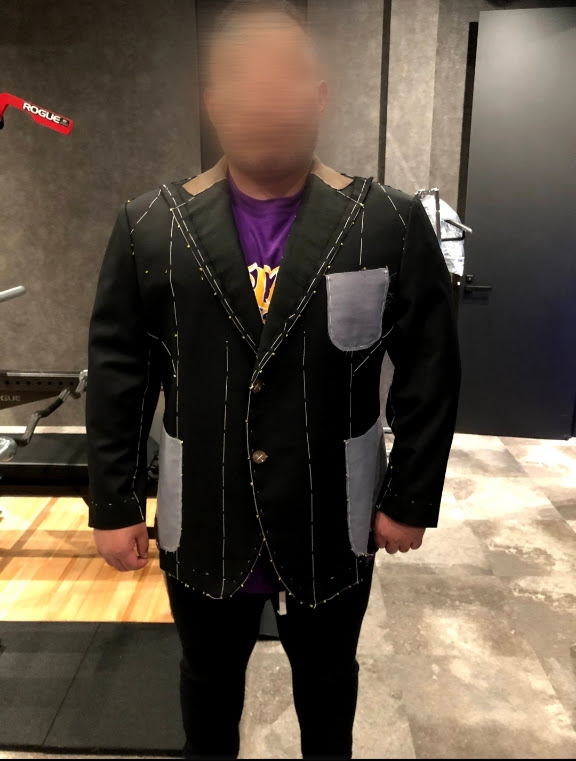
There is no way to get a build like this right with a single final sewing. At my shop we always include a basted fitting, where the suit is loosely assembled with tacking thread so the customer can try it on.
When he tried on the basted jacket, the thickness of his trained seat pulled the cloth so much that the back vent, the slit at the bottom of the jacket, popped wide open.
You can’t see your own back, so I took a photo on my phone and showed him on the spot. “Your glutes are pulling the vent open, so in the final sewing I’ll add room through the seat so it closes neatly,” I explained, and we adjusted it together.
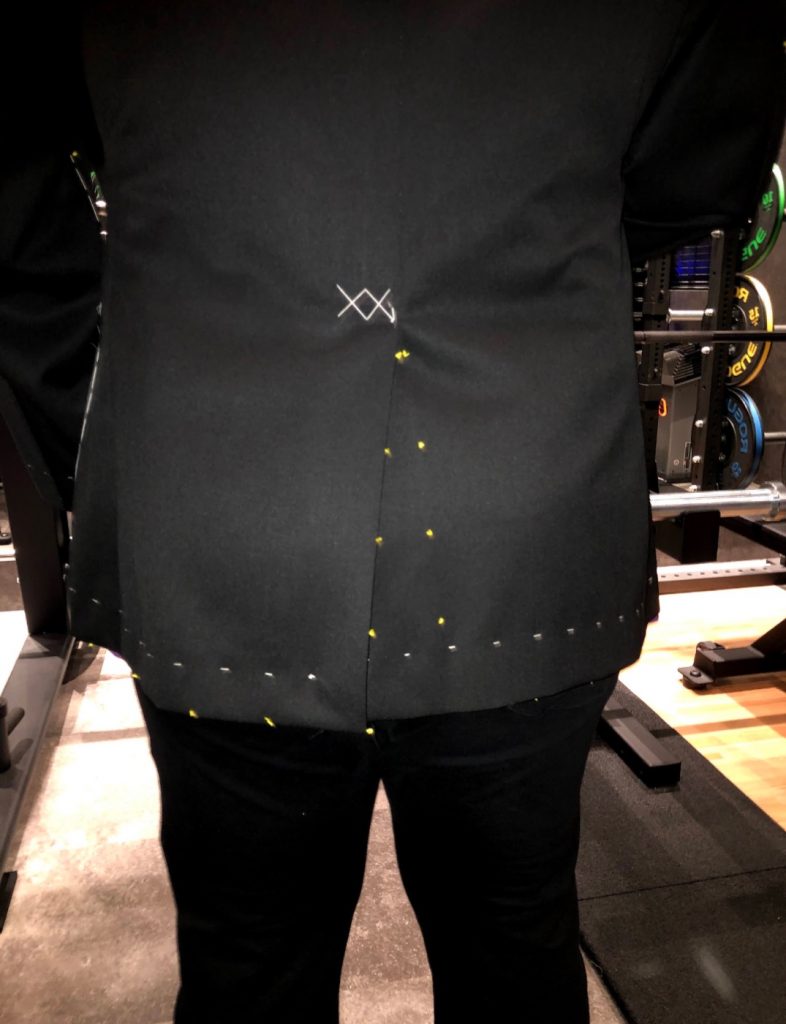
His first words out of the fitting room: “My shoulders and arms fit!”
Then came the day of delivery. He put on the finished suit, and the moment he stepped out of the fitting room…
Most customers say something like “This looks great” at that point. His first words were completely different.
“My shoulders and arms actually fit!”
Those few words told me how much he had struggled, for years, with clothes that simply wouldn’t go on.
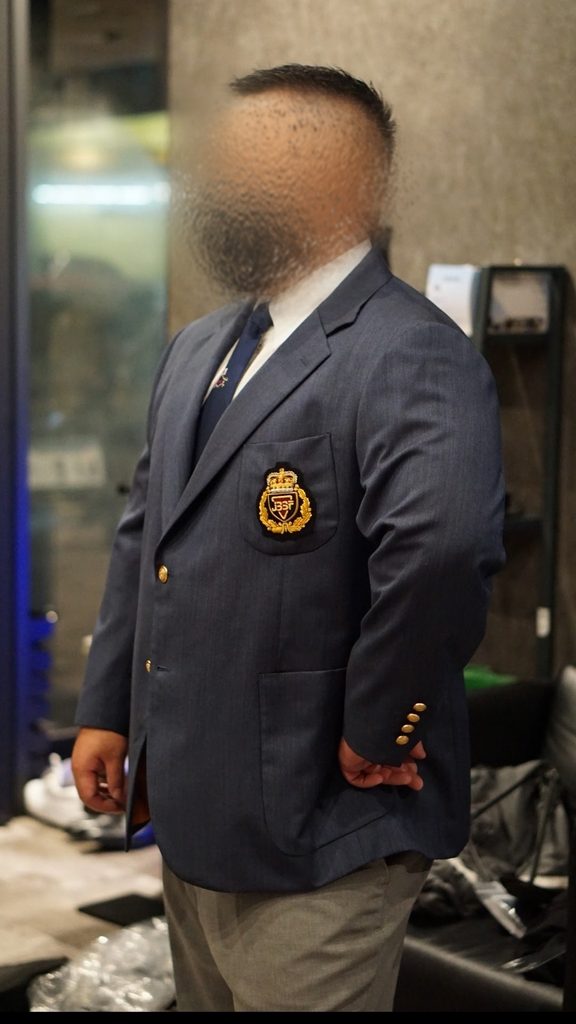
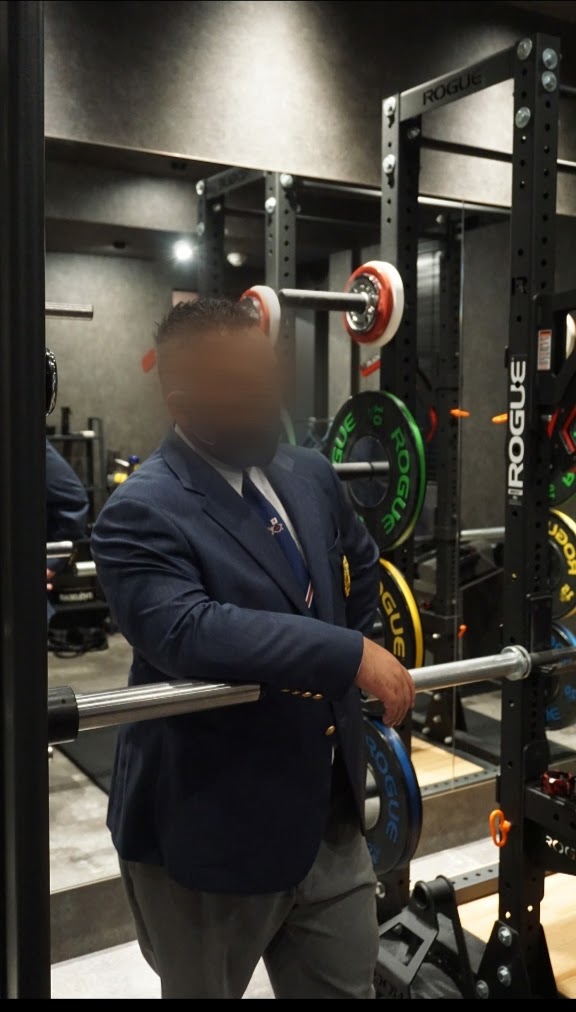
“Short sleeves or long sleeves, there’s just nothing out there my arms will fit into. That’s the only reason I wear tank tops.”
“Really? I thought you wore them to show off your muscles!” I said, and we both burst out laughing.
He was so happy with the finished suit that, before long, I started getting a wave of inquiries from his fellow bodybuilders.
Why don’t off-the-rack suits fit muscular builds?
Because an off-the-rack suit has to be sized to the largest part of your body, and everything else ends up too big.
His story may sound extreme. But people who lift weights, former baseball and rugby players, and customers from overseas with a different frame, including the American service members stationed in nearby Sasebo, all have essentially the same problem.
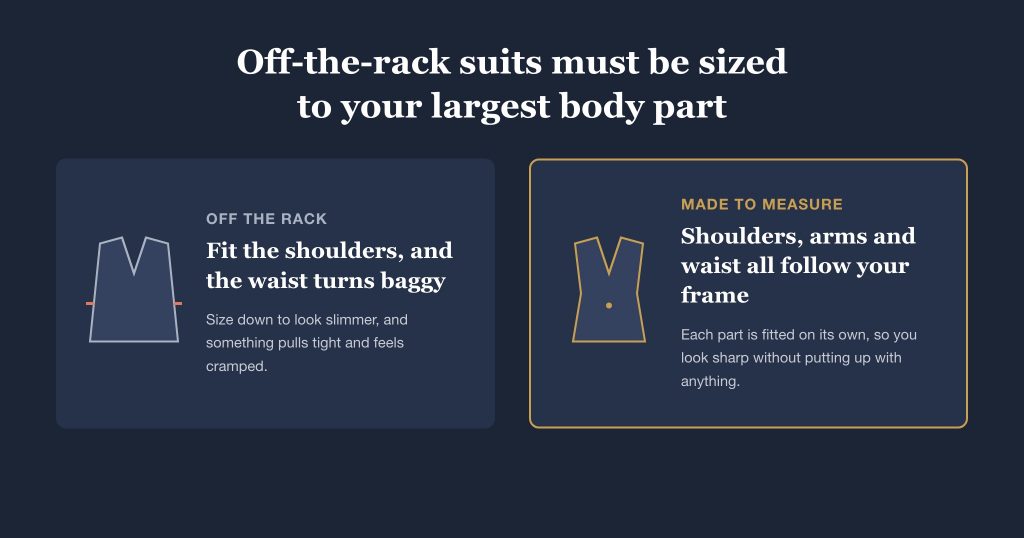
An off-the-rack suit comes as a set, jacket and trousers together. That means you have no choice but to pick the size that fits the largest part of your body, whether that’s your shoulders, your chest or your thighs.
And what happens then? Sized to the largest part, everything else, like the waist and the trouser legs, is loose and baggy, and the silhouette looks sloppy. Size down to look slimmer, and something pulls tight and feels cramped.
I don’t mean this as a criticism, but I’ll be honest: many people who have only ever worn off-the-rack suits have never experienced what a suit that truly fits feels like.
After years of choosing between “fits” and “doesn’t fit” within the limits of standard sizes, they come to believe a suit is simply something you put up with.
Coming next: once you understand fit, anyone can dress well
However hard you’ve trained, and whatever your build, once you know the size that truly follows your frame, you look dramatically better in a suit.
So why do some people look off even in a fashionable suit, while others look effortlessly stylish in a simple one?
Next time, I’ll share the one rule about fit that 20 years in fashion have convinced me can make anyone look good.
[Continued in Part 3]
“Why copying outfits from social media still looks off: what 20 years in apparel taught me about fit”
A suit made to your measurements
Sleeves, trouser hem, jacket length, shoulders and arms are all cut to your own body, not a size chart. Fittings are by appointment only. Tell us the dates you are in Japan and we will propose a time.